FROM CONCEPT TO SAMPLE
Jersey sampling & product development
Turn an idea or design into a sample you can assess. Define fit, materials and details before deciding how to take your jersey into production.
Chat on WhatsApp Telegram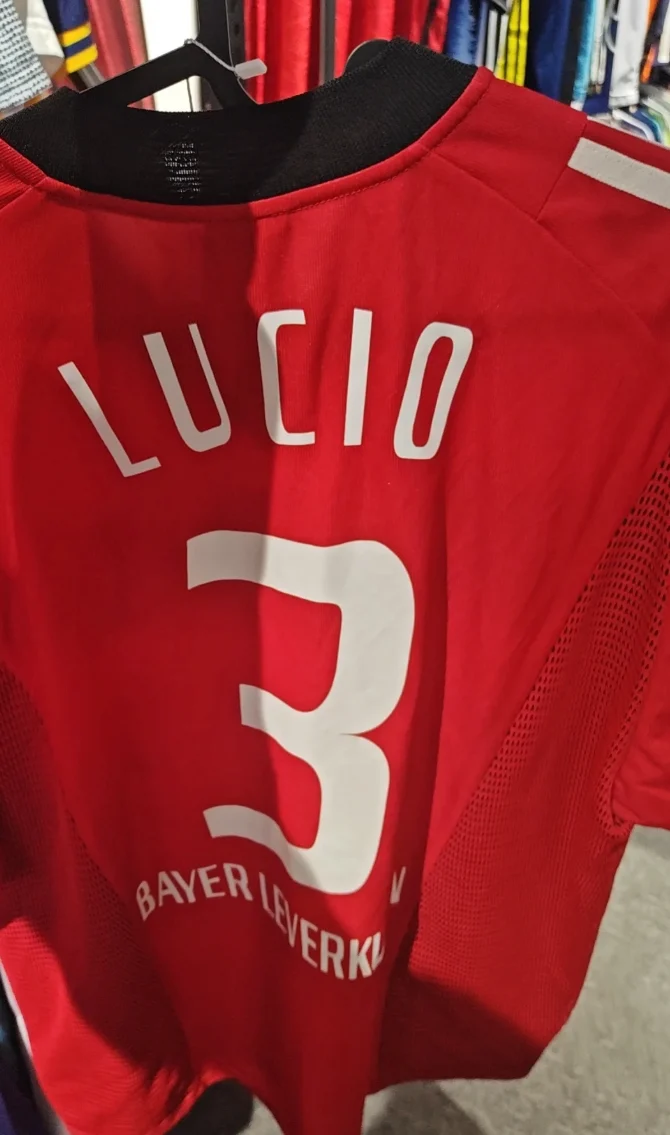
SPORTS & REFERENCES
Jerseys across five sports
Design, sampling and production for teams, brands and sportswear projects. Tell us the sport, garment type and performance requirements.
Reference competitions
- Football
- Premier League · UEFA Champions League · World Cup
- Basketball
- NBA
- American football
- NFL
- Ice hockey
- NHL
- Baseball
- MLB
Test the decisions that matter
For brands, designers, creators and teams turning an idea into a garment they can review. We can also start with an existing sample to develop the fit, materials or construction.
Our Guangzhou studio connects development with options from the local apparel industry. We agree what the sample needs to demonstrate: fit, feel, graphic placement, construction details or finishing. Different questions may need different types of sample.
Agree what this sample needs to show
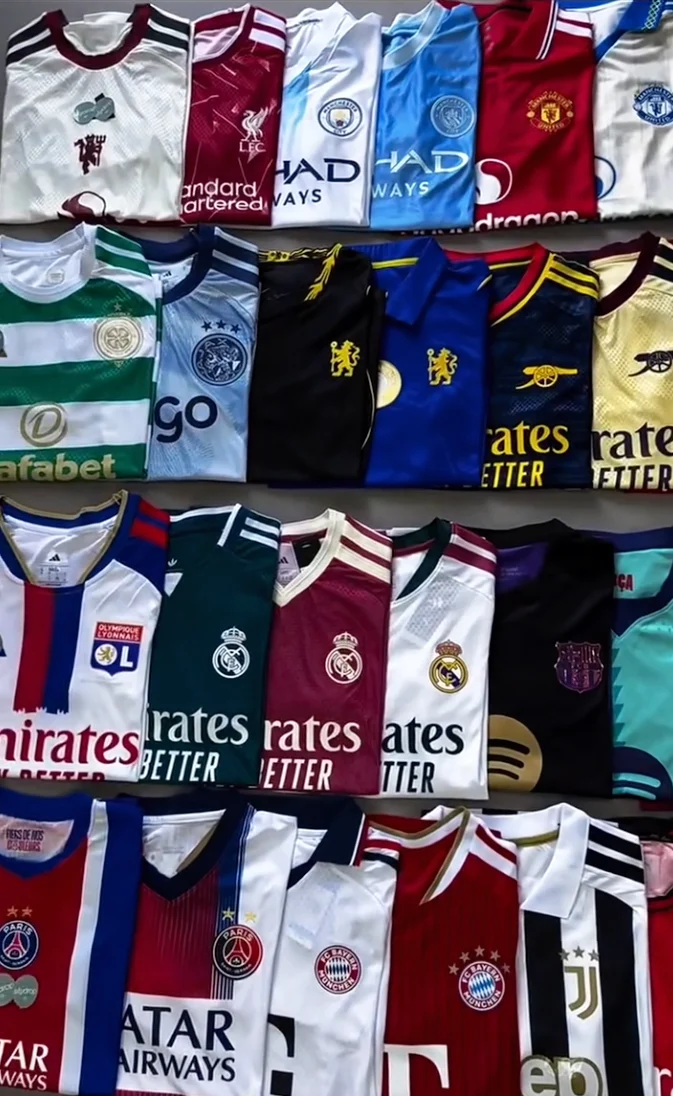
A sample can answer questions about fit, visual direction or materials. Define its purpose first, so you can distinguish what is ready for approval from what still needs development or a different sample.
- Fit sample: review proportions and garment measurements.
- Visual sample: review graphic layout and colour direction.
- Material sample: review feel and structure, with any substitutions identified.
Review the details against a shared reference
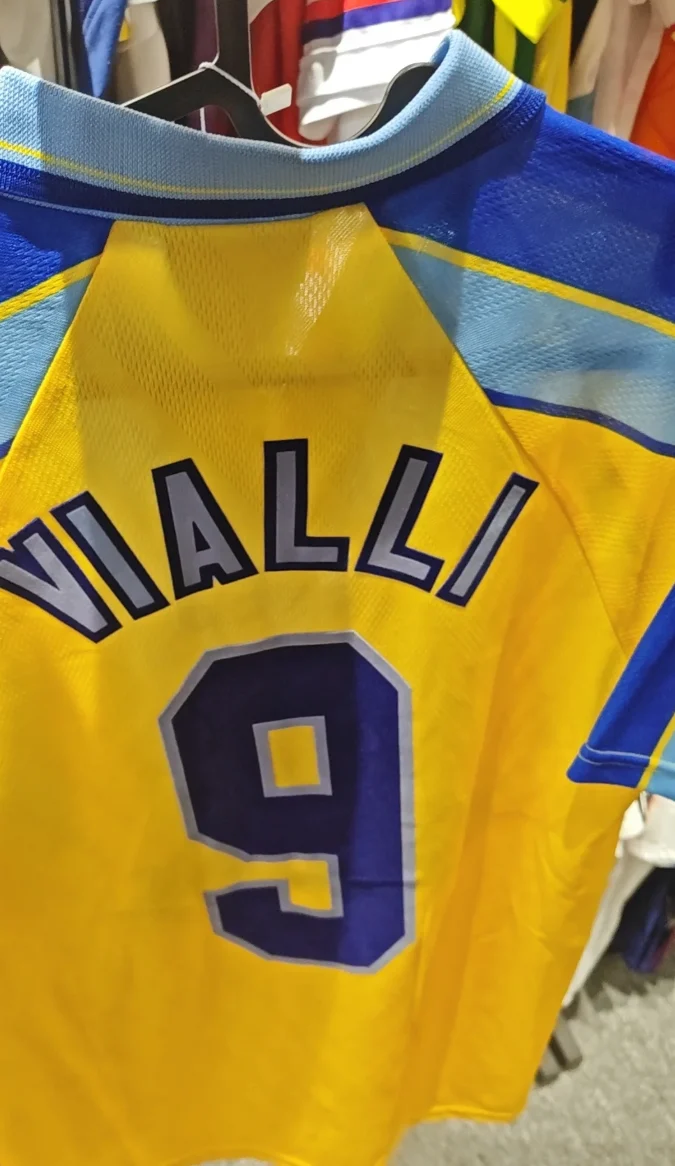
Compare the sample with the agreed specifications. Separate observations about measurements, materials and graphic placement, so each proposed change can be explained, assessed and reflected clearly in the next version.
- Record garment measurements and the method used to take them.
- Identify the materials used and any alternatives still awaiting confirmation.
- Mark graphic sizes and positions using annotated photographs or clear references.
Record what you are approving
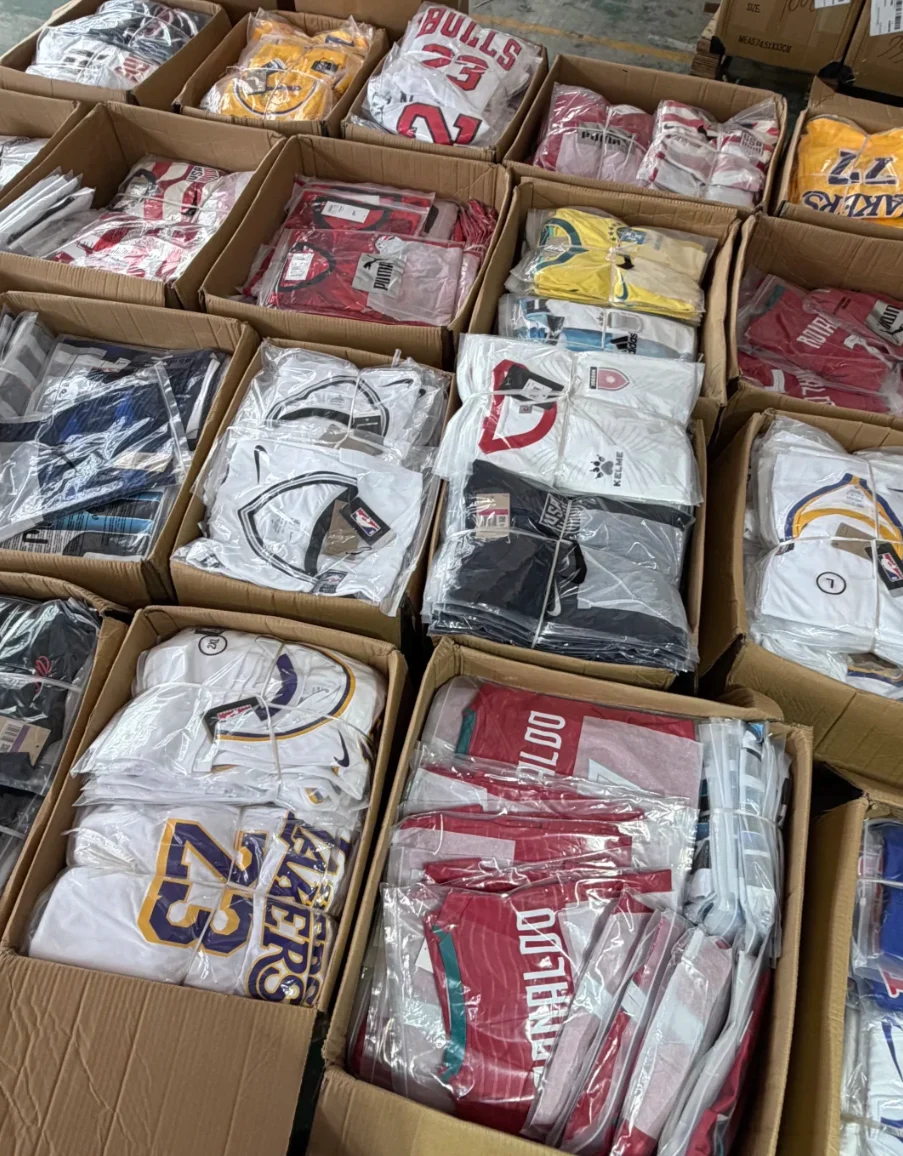
Approval should identify the version reviewed and any unresolved items. If a detail changes, confirm its effect on cost and timing before authorising production against the final specifications agreed for your project.
- Record the approved version, measurements, materials and artwork.
- List unresolved items and whether another sample is needed to confirm them.
- Confirm any cost or timing changes before agreeing to production.
Tell us what you need to test
Share what you have and the questions still open. Clear priorities help keep revisions focused on the purpose of the sample.
- Sketches, artwork or reference links and their current stage.
- Intended fit, sample size and important measurements.
- Preferences for fabric, feel, weight or construction.
- Details to test, such as the collar, graphics or labels.
- Budget with currency, destination, target date and possible future quantity, if known.
From sample scope to your review
We first clarify the purpose, materials and available specifications. Before preparing a sample, we confirm what will be made, the included revisions, cost and planned schedule.
You review the result against the agreed criteria. If changes are needed, we identify which require another sample and confirm the additional cost and timing. Once development is defined, you can request a production quote for the relevant quantity and specifications; approving a sample does not automatically order a production run.
What makes up the development cost
Cost depends on the work still to be resolved and what the sample must demonstrate. Changing fabric, construction or artwork can change the quote; we clarify this before expanding the scope.
- Design adaptation and preparation of specifications.
- Materials, components and sample making.
- Finishing trials and agreed revisions.
- Sample packing and shipping, with destination charges identified.
If you want to review sample care
Identify the actual base and applied decoration and gather instructions for both. Guidance for a particular transfer film or a modern sports jersey does not automatically apply to another material. If instructions are missing, keep them pending before proposing a washing or ironing observation.
If a check is agreed, record the sample, purpose, conditions and before-and-after photographs. Clarify what is covered and excluded. Observing a sample does not certify wash resistance, the lifetime of the whole production run or a laboratory service.
Continue with: Reviewing the sample.
A sample answers a specific brief
A fit sample may not use every final material or finish. Any substitution needs to be identified so you know what you are approving. Screen images alone cannot confirm physical feel, fit or colour.
Material availability, production minimums and the price of a production run are confirmed separately. Sending an enquiry does not order a sample or make a payment; it lets us agree the right development work for your project.
Make your sample feedback clear
How do I request a change to graphic size or placement?
Identify the sample and mark the change on a photograph. For example, “move the graphic 2 cm higher than version 01, keeping the width” is clearer than “a bit higher”. This is a communication example, not a recommended measurement. Collect your changes in one list.
What should I send if several people reviewed the sample?
Send one combined list and identify who will confirm the final decision. Name the sample, file version and review date. Separate approved details, requested changes and open questions so an old comment is not mistaken for a new instruction.
How do I make the scope of my approval clear?
Name the version and list the measurements, materials and graphics you approve, alongside any open points. Approving a sample does not automatically order production. Before moving forward, separately confirm the final specifications, quantity, quote and agreed schedule.
Details to review in your sample
These production photos help you identify details to review while developing a sample: the collar, fabric and print.
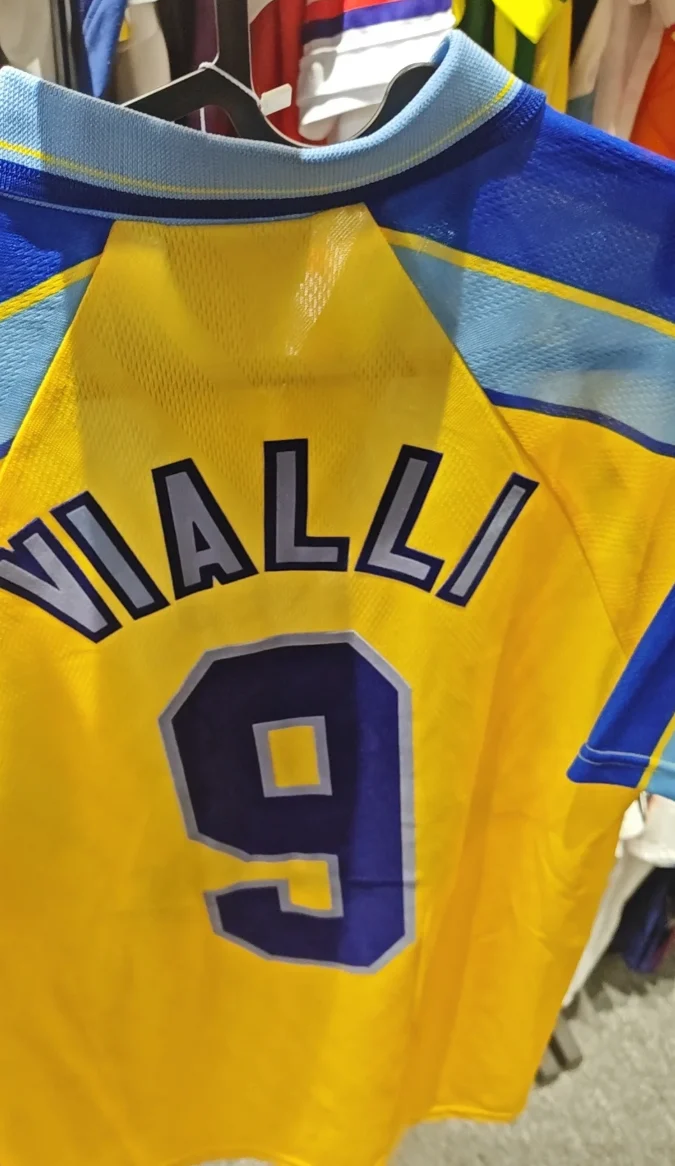
Collar, fabric and print
Define the colour, collar shape and placement of names and numbers.
View full photograph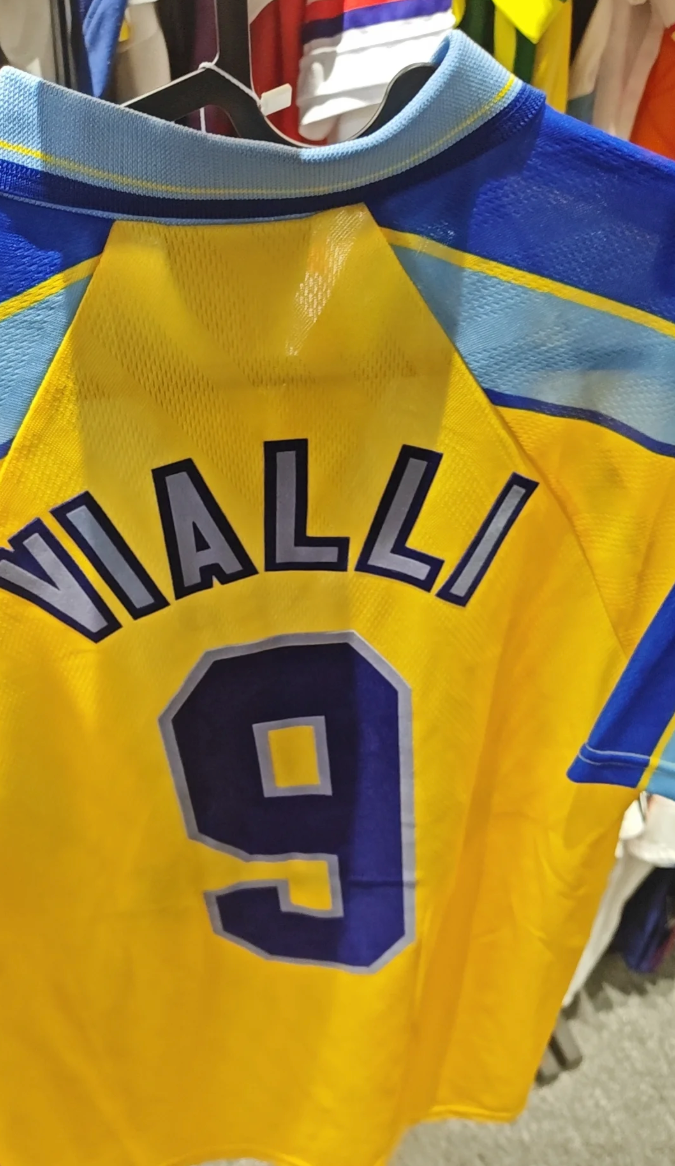
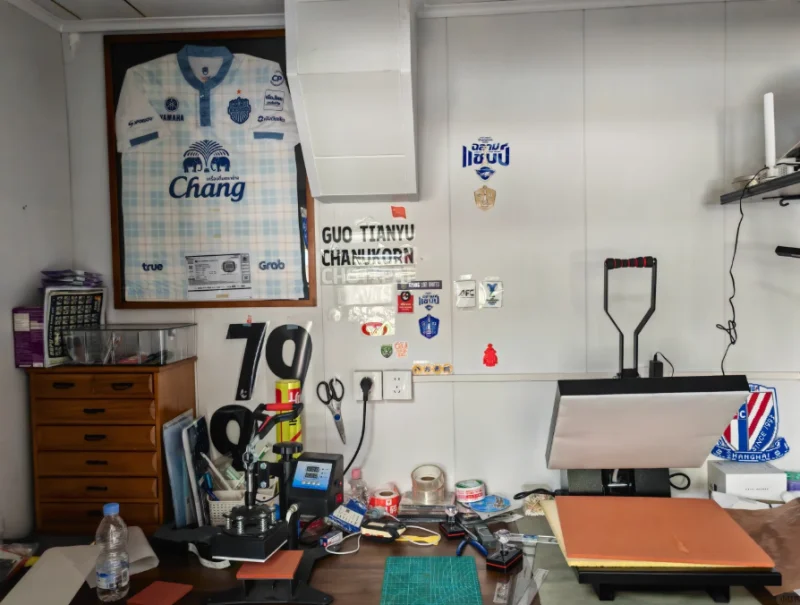
Heat application
Confirm your sample finishes before moving to production.
View full photograph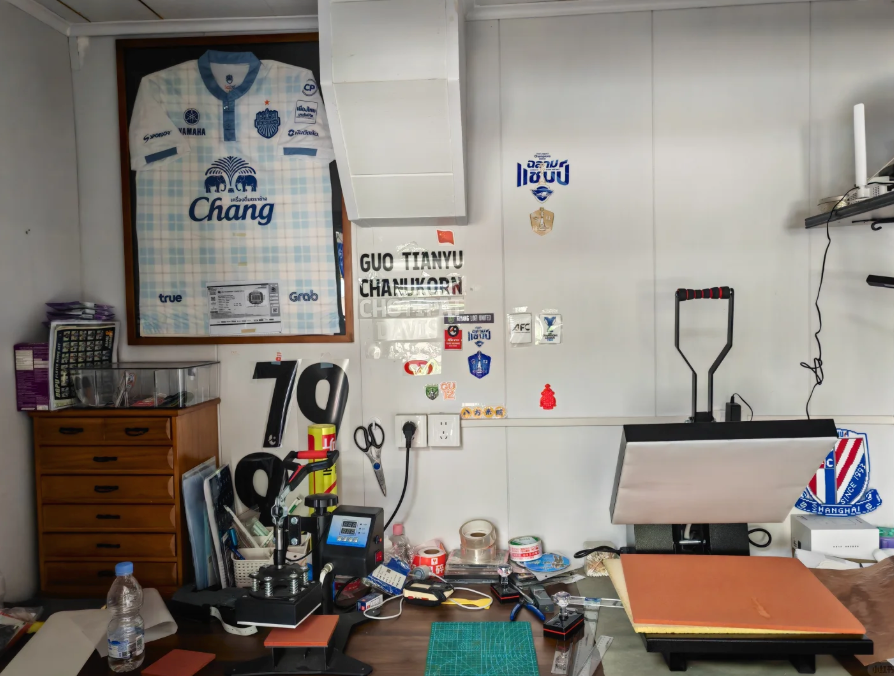
Let’s discuss your request
Chat on WhatsApp
Scope, costs and timing are agreed before purchasing or production.
Jerseys Deliver / Studio notes